Northland Climate Resilience Collaborative
Welcome to the Northland Climate Resilience Collaborative
Our vision is to foster a regional response to climate challenges by uniting neighboring counties, Tribal Nations, and local governments in a collaborative effort. By continually listening to, learning from, and working with one another on cooperative projects, we will establish a regional understanding of our shared priorities and unique contributions to climate resilience at local and regional scales. We choose to see climate threats as an opportunity to come together, and we are committed to shaping a collaborative plan that will advance other important priorities in our communities and the region.
Newsletters
Subscribe
January 2026 Newsletter
October 2025 Newsletter
July 2025 Newsletter
May 2025 Newsletter
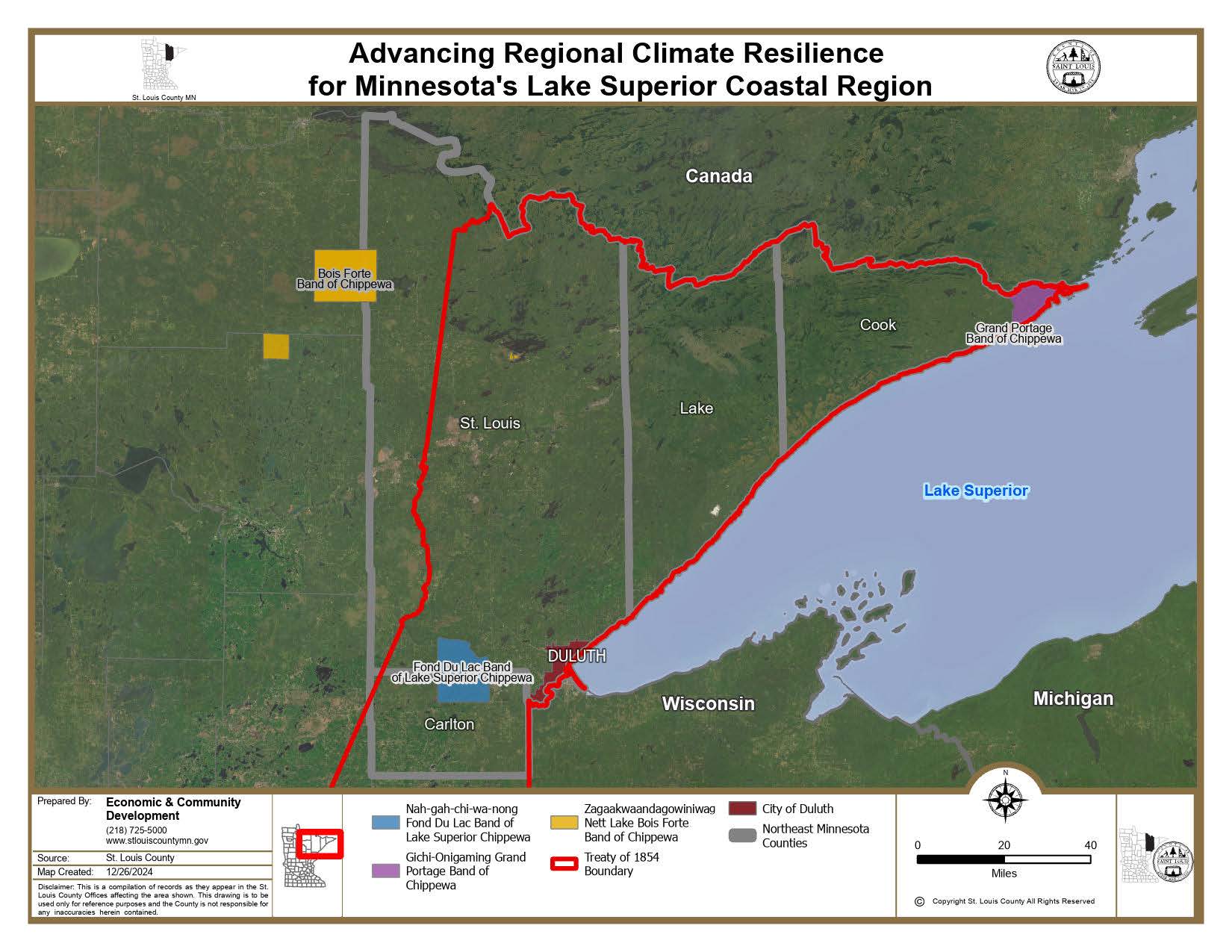
Situated at the western tip of Lake Superior, the largest Great Lake and second largest fresh water lake in the world, the project region includes the Counties of St. Louis, Carlton, Cook, and Lake; the Tribal Nations that co-reside within the area: the Fond du Lac Band of Lake Superior Chippewa, Grand Portage Band of Lake Superior Chippewa, and Bois Forte Band of Chippewa; and the 1854 Ceded Territory, which encompasses most of the region and beyond.
Project Goals
1) Establish a Regional Resilience Collaborative
2) Authentically Incorporate Indigenous Knowledge,
3) Build Community Capacity
4) Create a Regional Resilience Plan and Pathways to Implementation
5) Provide Resources and Technical Support to Communities in the Region.
Project Timeline
Year 1 (2025)
Establishing Foundations
Launching Communication and Governance
Year 3 (2027)
Drafting the Regional Resilience Plan
Continued Capacity Building
Enhancing Collaboration
Year 2 (2026)
Community Engagement
Research and Planning
Year 4 (2028)
Finalizing and Implementing the Plan
Securing Long-Term Sustainability
Working Groups
The role of the working groups is to inform content and structure for the regional plan within the resilience framework of People, Economy, and Ecosystems under the overarching theme of Tribal Sovereignty. These working groups learn and strategize together about regional impacts and collaboration beyond this project.
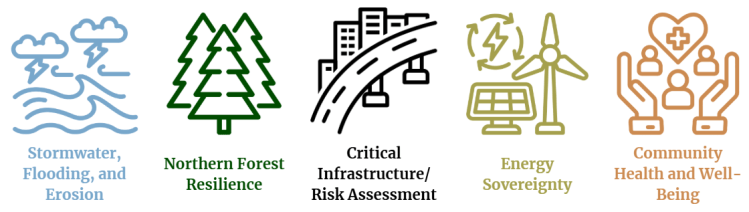
Working groups were decided from 41 topics in a brainstorming session, then focused into nine top priorities, and narrowed down and combined into five working groups.
Resource Hub
Grant Database
Lake Superior Coastal Region-Climate Summary
Growing Collaboration
Leadership Team
This list represents the team that came together to pursue this grant. There are many more entities who have voiced support and participate in the Northland Climate and Costal Resilience work. We are always looking to connect with interested groups in the region.
1854 Treaty Authority
Arrowhead Regional Development Commission
Bois Forte Band of Chippewa

Carlton County
City of Duluth
Minnesota’s Lake Superior Coastal Program
Cook County

Fond du Lac Band of Lake Superior Chippewa

Grand Portage Band of Lake Superior Chippewa
Lake County
University of Minnesota Climate Adaptation Partnership

Minnesota Department of Transportation
Minnesota Sea Grant
Minnesota Pollution Control Agency

St. Louis County

Carlton County Soil and Water Conservation District
Contact us
Questions? Please reach out
Email: contact@northlandresilience.org
“We choose to see climate threats as an opportunity to come together, and we are committed to shaping a collaborative plan that will advance other important priorities in our communities and the region.”
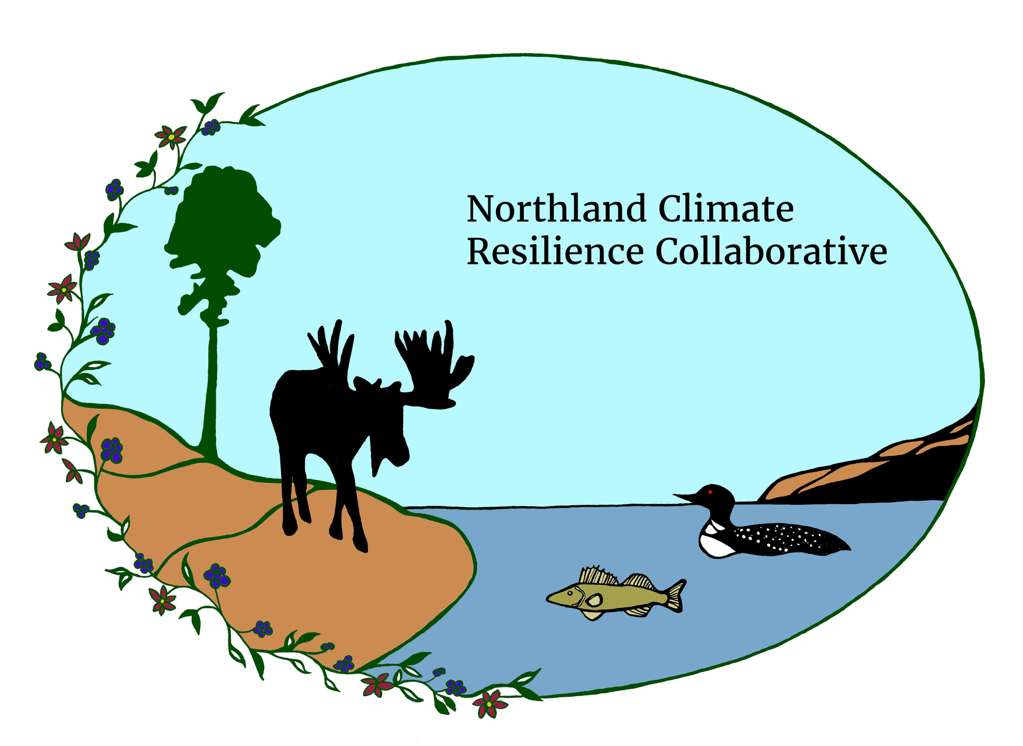
Created by artist Sam Zimmerman- visit his Instagram Page for more information
 Northland Climate Resilience